
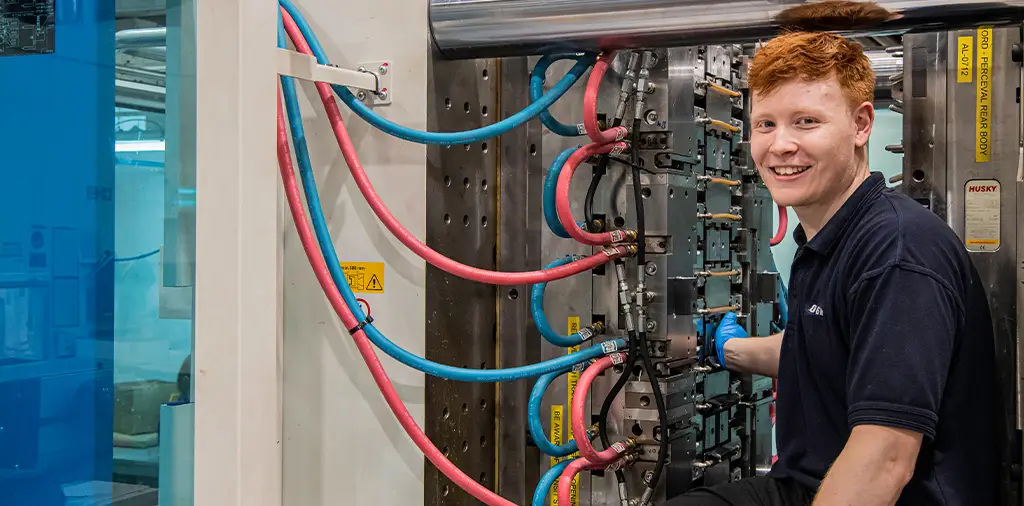
The decision to select a mould toolmaker stands as one of the top priorities before starting production. Tools built with superior design and construction deliver better longevity alongside high-quality parts through shorter cycle times. Selecting the wrong partner for your mould toolmaking requirements can result in production delays, expensive rework and could also lead to unexpected tool failures.
Before making any commitment, you should review these essential questions you need to ask to your mould toolmaker.
What experience do you have with components similar to mine?
All mould tools are not created equal. A medical, industrial or technical part/tool will have very different requirements than one used for cosmetic products. Ask your toolmaker about –
- Parts like yours that they’ve made
- Material knowledge (commodity vs engineering plastics)
- Tolerance needs and surface finishes
A skilled toolmaker will recognise problems early and design them out before any steel is cut. OGM combines its injection moulding expertise with tooling processes to create tools that meet production demands rather than just achieving an appealing CAD design.
How do you design and validate tools?
Tool design serves as the phase where many long-term problems find their solutions or originate. Clarify –
- Do they design in 3D CAD? Do they simulate in any capacity?
- Do they perform mould-flow analysis?
- How do they know where sink marks, warpage, air traps etc. will occur?
A comprehensive early design and validation approach reduces future expensive modifications. At OGM, our robust design capabilities allow tooling concepts to be worked out, reviewed, and validated prior to manufacture, streamlining tool build and minimising cost during ramp up.
What material is tooling made from and what processes are involved?
Your tool’s durability required maintenance levels and part quality are dictated by the material you choose for tooling production. Enquire –
- Steel vs aluminium tooling
- Approximate tool life
OGM combines traditional high precision machining with modern manufacturing techniques. We design your tools to deliver optimal performance. We can tailor solutions to priorities tool life, part complexity, or lead time.
Will this work in production, or just first-off?
Experiencing a tool that successfully processes initial samples but fails during production leads to frustration and wasted effort. Key factors to think about –
- Cooling effectiveness / cycle time
- Maintainability / Cleanability
- Ability to maintain tight tolerances in high volume
OGM designs tools with production performance in mind to assure consistent part quality and stable cycle times when your tools are running production quantities.
What does your tool maintenance and support package entail?
The importance of tooling extends beyond its initial production phase. Preventative maintenance serves as a fundamental strategy to protect your investment from unexpected downtime. Questions to consider –
- What preventative maintenance is suggested?
- Do service plans exist?
- What is the process for tool repairs and failures?
OGM delivers comprehensive tool service plans that take care of all necessary aspects from maintenance prevention to reactive repair work enabling customers to maintain tool longevity while avoiding unexpected issues.
How are alterations accommodated?
Tool design isn’t set in stone. Whether it’s due to product changes, material updates or performance enhancements your toolmaker must be able to adapt.
Ideally your toolmaker will:
- Document changes clearly
- Provide quote on costs / lead-times
- Limit interruption to production time
With toolmaking and moulding expertise in house OGM can fast track any changes without causing delay to your project.
Will you help me beyond tooling?
Toolmaking isn’t a standalone process. Great suppliers know how tooling fits with plastic injection moulding, assembly, and full-scale production processes.
Find out if your toolmaker:
- Has in-house plastic injection moulding expertise
- Knows downstream production hurdles
- Will work with you from prototype to volume production
OGM’s end-to-end process ensures your tooling decisions consider moulding, quality and assembly specifications up front, minimising handover issues and maximising project success.
What about quality and traceability?
Repeatable quality and verification are critical to toolmaking, especially when working in highly regulated industries. Questions we are often asked:
- How are tools inspected / measured?
- Do you provide documentation?
- How is tool history maintained?
OGM follows stringent quality practices during all phases of the toolmaking process so you can be confident that your tooling is built to spec and will perform reliably for its entire life.
Why these questions matter
By asking questions early you can prevent hidden costs and unexpected delays and performance difficulties later in the project. The best mould toolmakers go beyond supplying parts by becoming technical partners whose success depends on your product performing well.
OGM blends precision toolmaking, cutting-edge manufacturing technologies and lifetime support to ensure customers feel confident going into production.
Need ideas for a new mould tool or about to start production?
Contact OGM’s professional toolmakers to talk through your project, your concerns and how the correct tooling strategy can help benefit you in the future.